Episode 7
250 Students in a Country Town of 50K | Luke Burnham
How a blue belt built a 250-student BJJ school in a country town — and why "not enough people" is the excuse killing most school owners.
When Luke Burnham took over a struggling BJJ school in Mildura, he was a fresh blue belt in a regional Australian town of 50,000 people. Ten years later, he runs the biggest jiu-jitsu academy in town — 250 students, a First Nations scholarship program, and a full-time family business.
In this episode, Nick Cownie sits down with Luke to break down exactly how it happened — including the mindset shifts, the marketing that actually works in a country town, the mistakes he'd fix if starting over, and the culture-first decisions that built one of the tightest jiu-jitsu communities in regional Australia.
This is required listening for anyone who thinks their town is too small to build a full-time martial arts business.
🔥 IN THIS EPISODE
- Why starting a school as a blue belt is possible (and what to expect)
- How word-of-mouth beats every paid ad in a regional town
- Why chasing competition wins nearly ruined the kids program
- The "50 kids, 1 competitor" reality every school owner needs to hear
- The First Nations scholarship program keeping 17 kids off the streets
- Why the small-town excuse is the biggest lie in the industry
- How Luke turned a bullying incident at another gym into a family business
- The COVID timing that nearly killed the school (and didn't)
- Why family-first culture kills cliques and drives retention
- Cooper Burnham's rise from BJJ prodigy to Netflix-tapped Korean influencer
- How backpackers and international travelers make regional gyms world-class
- The Michelle Nicolini moment that made Luke realise jiu-jitsu was for him
🕒 TIMESTAMPS
00:00 Intro
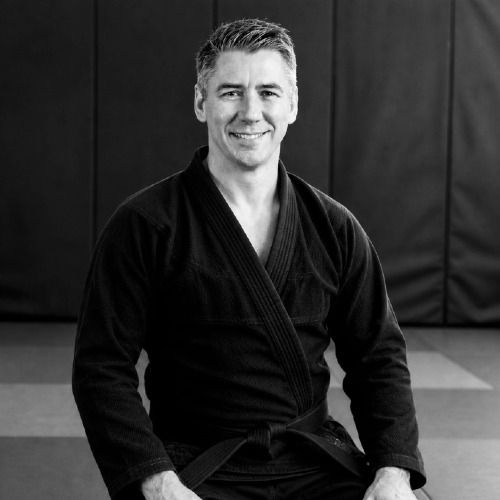
01:10 Luke Burnham — 51, 4-stripe brown belt, gym owner 10 years
02:28 The story of how a blue belt took over the gym
04:31 The top challenges of starting a school before black belt
07:57 Why "everyone has an opinion" is the noise you have to ignore
10:22 The first 12 months and finding traction in a country town
13:04 Where Mildura is and the population reality
14:57 250 students full-time in a country town
17:41 Marketing in a small town — word of mouth, Google, socials
20:34 Rich in life, not rich in dollars
22:15 The First Nations scholarship program
26:31 The mistakes Luke would fix if starting over
30:01 Why chasing competition wins was the wrong move
32:35 Ellee Beckman, kids classes, and the fun-first philosophy
33:24 The kids comp class that respects both worlds
33:37 Cooper Burnham — 1st degree black belt, Korean influencer, Netflix
36:35 Bodhi Burnham — brown belt, head kids coach
38:00 Backpackers, judo black belts, and international training partners
40:25 The one person Luke would love to roll with
41:52 The Michelle Nicolini moment that changed everything
43:58 Where to find Luke and Mildura BJJ
🎯 Most martial arts school owners are one system away from consistent growth. Install the same systems used by real academies around the world:
🤖 Enroll 365™ — https://enroll365.ai
The school that replies first gets the student. Enroll365.ai replies instantly, books the trial in chat, and follows up until the student steps on your mat.
⚙️ Dojo Toolbox CRM™ — https://dojotoolboxcrm.com
The AI-powered operating system for martial arts schools.
🌏 The Dojo Map™ — https://thedojomap.com
Connecting the global martial arts community.
🥋 DOJOCEO™ Mastermind — https://dojoceo.com
Most martial artists open a school. The best operators become DOJOCEOs™.
💬 GET THE TOOLS — COMMENT TO UNLOCK
Find me on Instagram @dojoceo and comment one of the keywords below on any reel to get sent the resource:
👉 Comment STUDENTS — Get a 30-day free trial of Enroll 365™ to stop losing money by automating your trial class bookings.
👉 Comment CEO — Get details on the DOJOCEO™ Mastermind to learn how we turn school owners into millionaires.
👉 Comment MAP — Get your martial arts school listed on the Dojo Map™.
👉 Comment POD — Get the latest DOJO CEO podcast episode sent directly to you.
👇 CONNECT WITH LUKE BURNHAM
Luke Burnham is a 4-stripe brown belt under Thiago Faeda and the owner of Mildura Brazilian Jiu Jitsu — the largest jiu-jitsu academy in Mildura, Victoria. Over 10 years, he's built a 250-student family-run school with a thriving kids program, a First Nations scholarship program supporting 17 young students, and a culture that welcomes travelers, backpackers, and world champions alike.
📸 Instagram: https://instagram.com/mildurabjj
🌐 Website: https://milduraBrazilianjiujitsu.net
👇 CONNECT WITH COOPER BURNHAM
Cooper Burnham is a 1st degree black belt under Thiago Stefanuti, multi-time medalist at Worlds, BOA Super 8 champion, and Korean influencer with 40K+ followers. Featured by Netflix during the Squid Game Season 3 launch.
📸 Instagram: https://instagram.com/cooperburnhambjj
📸 Korean Instagram: https://instagram.com/hojucooper
⚔️ ABOUT THE SHOW
Most martial artists open a school. The best operators become DOJOCEOs™.
Hosted by Nick Cownie — founder of Enroll 365™, Dojo Toolbox CRM™, The Dojo Map™, and DOJOCEO™ Mastermind — each episode goes "behind the belt" to break down the business, battles, and breakthroughs behind successful martial arts schools.
👉 FOLLOW NICK
📸 Instagram: https://instagram.com/dojoceo
🌐 Website: https://dojoceo.com
#bjjschool #regionalbjj #countrybjj #bjjbusiness #martialartsschool #brazilianjiujitsu #dojoceo
Transcript
Hello and welcome to the Dojo CEO podcast.
Speaker A:I'm Nick county and today my guest is Luke Burnham, who runs Mildura Brazilian Jiu Jitsu or Mildura bjj.
Speaker A:So on the podcast, we go behind the belt of, you know, grappling businesses.
Speaker A:We look into the actual business, the battles of what it takes to grow a business in the martial arts industry, you know, and the breakthroughs, the things that kind of get you where you want to go.
Speaker A:Right.
Speaker A:Try and extract the gold and the lessons that you can use.
Speaker A:If you are thinking of running your own martial arts business, whether it's a school or you're going to, you know, create and sell rash guards or fingertip or whatever, it happens to be a business in the martial arts industry.
Speaker A:That's what we're here for, that's what we're looking for.
Speaker A:And today our guest is the one and only Luke Burnham.
Speaker A:So, Luke, what I like to do is have my guests introduce themselves.
Speaker A:So give us just a kind of brief rundown on, you know, who you are, what you do, and then we'll dig into some questions.
Speaker B:Yeah, cool.
Speaker B:So, yeah, Luke Burnham, I'm 51 years old, four striped, brown belt.
Speaker B:Yeah.
Speaker B:And had been Training for roughly 12 years, I suppose.
Speaker B:Had a gym for, I'll put 11 years training.
Speaker B:Had a gym for 10 years this year.
Speaker B:And yeah, we're in a regional.
Speaker B:Regional town in Victoria, Mildura.
Speaker B:Just the battles of running a martial arts business.
Speaker B:I've got two sons, Cooper, he's 25, first degree black belt, and my youngest boy, Bodhi, he's a brown belt as well.
Speaker B:And that's about it.
Speaker B:We're just running a family business in Mildura.
Speaker B:And, yeah, love it.
Speaker A:All right, so right off the top here, the thing that jumps out straight away, you said you've been training 11, 12 years, but you've been running the gym for 10 years.
Speaker A:How did that happen?
Speaker A:So you just kind of walked into your class one day and went, I can.
Speaker A:I can do this better than these guys.
Speaker A:Open your own school.
Speaker A:How'd that happen?
Speaker B:It's a long story.
Speaker B:But, yeah, well, there was one gym in town and he was.
Speaker B:The gym was bullying my son, Cooper.
Speaker B:So he ended up moving to Melbourne.
Speaker B:He was 16 years old.
Speaker B:He'd stopped training.
Speaker B:And his professor, Thiago Stefanuti, rang me and said, why isn't he training?
Speaker B:I said, oh, there's some stuff going on at the local gym.
Speaker B:He doesn't want to train anymore.
Speaker B:And Cooper, he said to me, no, Cooper's too good to not train.
Speaker A:Will.
Speaker B:He move to Melbourne and live with me and my wife and train down here?
Speaker B:And I asked.
Speaker B:Cooper wasn't ideal for us.
Speaker B:You know, he was 16 year old.
Speaker B:You never want to lose your son at that age.
Speaker B:But he said, yeah, I do.
Speaker A:I'll do it.
Speaker B:So off he went.
Speaker B:My other boy trained at the time, but I didn't want him going back to that particular place.
Speaker B:So a friend of mine who was a purple belt started a gym.
Speaker B:But then within the first 12 months he moved to Melbourne.
Speaker B:I was still white belt and my professor, who is still my professor now, Thiago Faeda.
Speaker B:I spoke to him and said, look, this is what's going on.
Speaker B:Are you still interested in supporting me?
Speaker B:I was just about to get my blue belt and he said, yeah, let's do it.
Speaker B:So he's been behind me the whole time?
Speaker B:Yes.
Speaker B:I basically took the gym over when I was a white belt, fresh blue belt and ran from there.
Speaker B:And yeah, now no regrets.
Speaker B:It was definitely hard in the beginning, hard for all the, you know, the typical things that get said about, you know, a white belt, blue belt, starting a gym or running a gym, but I never let it get me down.
Speaker B:I just kept forging forward and now we've got a, probably the biggest jujitsu gym in town.
Speaker B:So yeah, I'm happy.
Speaker A:That's phenomenal.
Speaker A:And this is something that I see people argue about all the time, right, which is you can start a gym as a blue belt, you can't start a gym as a blue belt.
Speaker A:You said that.
Speaker A:You know, all the kind of typical things for the people who haven't really ever sat down and thought about what those typical things might have been might be like.
Speaker A:Off the top of your head, what would, would you say like the top five challenges, three, five, whatever, to starting a martial arts school when you're not yet a black belt?
Speaker B:Definitely teaching classes like I always felt, I always felt sort of, I don't know what the word is, but being up the front of the class when I was a blue belt teaching people, I always felt uncomfortable with that.
Speaker B:And it wasn't through my lack of preparation for classes or things like that.
Speaker B:It was just the belt.
Speaker B:I sort of felt a little bit uncomfortable with that, but I had no choice so we, we ran with it.
Speaker B:And so there was that, the uncomfortability.
Speaker B:Also the, the, the talk, you know, of, you know, the other gym in town at the time was just, you know, talking crap on social media and stuff.
Speaker B:And, but, and that didn't worry me either.
Speaker B:I Thought, you know, it is what it is.
Speaker B:I'm in the head rent free.
Speaker B:So I didn't mind free advertising.
Speaker B:For me, they're probably the two, the two main things.
Speaker B:And think I was lucky in the sense that I had Cooper, you know, Cooper still used to come back a lot.
Speaker B:And I had my professor Thiago and I also had Cooper's professor Thiago Stefanuti as well, who would always check in on me and make sure we're doing good.
Speaker B:And I had a close friend over in America who helped guide me as well.
Speaker B:Like we'd gone to America a lot with Cooper for competitions and I'd become a good friend with gym owner over there who unfortunately lost his gym during COVID But he was a black belt and he was giving me a lot of advice and a lot of how to, how to what directions to try and go in with the gym to be successful.
Speaker B:So.
Speaker B:Yeah, but it's definitely not easy.
Speaker B:Like, yeah.
Speaker B:Being a lower belt.
Speaker B:I say to people all the time, you know, no issue with starting.
Speaker B:Would I do it again?
Speaker B:Probably if I had to.
Speaker B:But definitely would rather wait until.
Speaker B:Yeah, purple belt maybe just to get that.
Speaker B:Sort of the unnecessary opinions, you know.
Speaker B:Yeah.
Speaker B:You know, social media is like these days, there's opinions on everything.
Speaker B:I see opinions all the time.
Speaker B:I just think, I don't, I don't very rarely give my own opinion because I just think to myself, you know, there's people got opinions on how Jim's grade, how they do stripes, how they do this, how they do that, and it's just like, do what you want.
Speaker B:Sure, Jim, I'll do what I want.
Speaker B:You know, that's the way I look at it.
Speaker B:And our gym gets results, so we're doing something right.
Speaker A:Yeah, that's, that's a really interesting point.
Speaker A:Right.
Speaker A:Like there's, there's a lot of.
Speaker A:Anytime you get into any kind of niche at all, and BJJ is definitely, you know, an inch wide, mile deep niche.
Speaker A:You can go as far down that rabbit hole as you want.
Speaker A:People get super passionate about it.
Speaker A:Everyone has an idea, everyone has an opinion.
Speaker A:And I've been doing martial arts since I was 10.
Speaker A:I'm 45.
Speaker A:I've done a bunch of different martial arts and I've taught a couple of different martial arts.
Speaker A:I've taught, you know, kickboxing, I've taught freestyle karate.
Speaker A:I teach Japanese jiu jitsu.
Speaker A:I've not taught bjj.
Speaker A:I'm a three stripe purple belt.
Speaker A:Right now.
Speaker A:I'm a third degree in Japanese jiu.
Speaker A:Jitsu, third degree black belt.
Speaker A:And having that multi style experience for me I find really helpful because I don't care about a lot of these arguments.
Speaker A:I find them really funny that people saying, you got to do the ecological approach.
Speaker A:No drillers make killers.
Speaker A:Right.
Speaker A:That's a big obvious one.
Speaker A:Divides the room.
Speaker A:Right.
Speaker A:Should you, should you give stripes to adults or should you just make them go white, blue, purple, brown, black with no stripes because they're not little kids?
Speaker A:Look, ultimately, who gives a.
Speaker A:Right, like what you said, it's your gym, do whatever you want.
Speaker A:That's the actual answer having there's no universal standard in Brazilian jiu jitsu and like there never was.
Speaker A:And, and it's unlikely that there ever will be because it's not the kind of thing that it's so huge now no one's ever going to be able to fully standardize it and get everyone on board.
Speaker A:And I think ultimately that's a good thing, right?
Speaker A:Yep.
Speaker A:So, yeah, not engaging in those arguments is a wise decision unless you enjoy arguing with people on the Internet.
Speaker A:And ultimately the place that I come from is everything has its place and everything works, but you've got to figure out what works for you.
Speaker A:Right.
Speaker A:When you were getting started, when was it easy to find students, to get students to come, or did you find it was difficult because you didn't have a black belt or did like, did people not care about that.
Speaker B:Initially?
Speaker B:It was difficult and I think that was, you know, it's just difficult starting a new place.
Speaker B:You know, there was already a very popular gym in town and trying to get that traction in a country town was always hard.
Speaker B:So probably the first 12 months, a lot of the time it was just myself and my youngest son, Bodie, who, he runs the gym with me now.
Speaker B: But yeah, he was like a: Speaker B:So it was me and him and two other guys essentially.
Speaker B:So he's training with three adults that were all over 100 kilos and he weighed all 40.
Speaker B:So yeah, that initial 12 months was, was hard, Yacker.
Speaker B:And we didn't know, you know, have we done the right thing, we done the wrong thing?
Speaker B:What are we going to do?
Speaker B:But then you start making slow inroads.
Speaker B:And I think a lot of, you know, a lot of success for us anyway has been word of mouth.
Speaker B:We provide a very positive environment.
Speaker B:We're not, I don't want to say we're not like other gyms because I know there's other gyms out there.
Speaker B:Like us.
Speaker B:But our gym, I try to make it like as, as much as I can as a family.
Speaker B:You know, people, anyone can train at our gym, no matter, you know,.
Speaker A:Your.
Speaker B:Belt color, your ethnicity, anything, everyone's welcome and everyone's equal.
Speaker B:That's what I've always tried to promote.
Speaker B:You know, I don't want one thing I hate is clicks, little clicks in clubs.
Speaker B:That's just a recipe for disaster.
Speaker B:So I've done my best to try and keep that out of our gym.
Speaker B:You know, if we do something, everyone's invited, not just three or four people that I like.
Speaker B:That's, that's the way I look at it.
Speaker B:And it's been pretty successful so far.
Speaker B:But yeah, the early days are definitely hard.
Speaker A:So tell me a bit about, you mentioned, you know, Mildura is a regional town.
Speaker A:Tell me, tell me a bit about Mildura as a location.
Speaker A:Like how, where.
Speaker A:I know where it is.
Speaker A:Right.
Speaker A:You know, I'm, I'm here in Australia, but a lot of people who watch this are in, in the States and there's a bunch in Europe and stuff.
Speaker A:So where is Mildura?
Speaker A:How big is it?
Speaker A:Like, what's the population like if, you know, give us a bit of a sense of, you know, where it is that you've got the school.
Speaker B:So Mildura is on the border.
Speaker B:It's sort of like it's considered a tri state area.
Speaker B:So we're on the border with Victoria, New South Wales and South Australia is not far either.
Speaker B:So but we're right on the river.
Speaker B:So one side of the river is Victoria, the other side's New south Wales.
Speaker B:We're 4 and a half, 4 and 3 quarter hours from Adelaide, 5 and a half to 6 hours from Melbourne.
Speaker B:So in the middle of nowhere essentially.
Speaker B:So that also has its challenges because, you know, for us to compete, for competing and stuff like that, it's always a big deal.
Speaker B:You know, you have to, there's accommodation, there's travel, there's all that.
Speaker B:We're not like the city gyms where you can just go and rock up to a comp and compete and go home.
Speaker B:So it has its challenges and also like being Our population's about 50, 52,000 if you include like we're part of the Sunrasia region which is around us, like about an hour away zone and Robin Bale and places like that all up, I think including the surrounding areas is about 70,000 population.
Speaker B:And that has its challenges too, like with kids and teens programs.
Speaker B:You know, you have kids training and teens training with you for a Few years and they're getting to a really good level.
Speaker B:And then they finish school and go to uni and say they go and train somewhere else, which is great for them.
Speaker B:But it makes it that harder for us to get those higher belts that keep building the gym, which is always a challenge, but it's good.
Speaker B:I love seeing them succeed too when they go to their new gym as well.
Speaker A:So, so 50 to 70,000 people in that general area.
Speaker A:How many students do you have at the moment?
Speaker B:250.
Speaker A:250.
Speaker A:And is this, is this your full time work?
Speaker B:Yep.
Speaker A:Yeah.
Speaker A:So this is what I love about this, right?
Speaker A:Is that I get to talk to a lot of martial arts school owners and everyone loves martial arts, Right.
Speaker A:Or they wouldn't want to open a school.
Speaker A:Yep.
Speaker A:The people who get into it for the money tend to fail.
Speaker A:Right.
Speaker A:You get into it because you love martial arts.
Speaker A:You want to teach, you want to.
Speaker A:You know, there's some kind of empowering belief behind that.
Speaker A:Like, for me personally, I think deeply, martial arts makes you a better person.
Speaker A:Right?
Speaker A:It doesn't make everyone a better person.
Speaker A:You can be a.
Speaker A:And then a who knows martial arts, but by and large it's, it's kind of like, you know, winning the lottery.
Speaker A:Right.
Speaker A:They say if you're a good person and then you win the lottery, it tends to just expose what kind of a person you are.
Speaker A:You know, you'll find that that person gives to charity a lot and you know, and takes care of people and buys their parents a house and all those kind of things.
Speaker A:But if you're, if you're kind of dark hearted to begin with and you get a lot of money, all of a sudden they're out there doing cocaine every weekend and, you know, off with the hookers and all that crazy stuff in Las Vegas.
Speaker A:Who knows?
Speaker A:I'm making this up obviously, but I find it's the same kind of thing, right?
Speaker A:Is that most people who get into martial arts want to get fit and have fun, right?
Speaker A:And then like, and those are the two big motivations.
Speaker A:And then the third one is defend themselves.
Speaker A:And right down the bottom of the list is competitions.
Speaker A:And it's really interesting with, you know, you start a school and the people that I talk to who either have just started a school or want to start a school and they're coming to me, you know, for our CRM tools and our AI automation and all these kind of things.
Speaker A:The big concern and this is coming back to Mildura is that the location is too small to sustain a school.
Speaker A:That will provide them with a full time income.
Speaker A:And I'm a strong believer that, you know, if you're in an area where there is minimum kind of 40 ish thousand people, 250 people, which provides a full time income, that's like a fraction of a percent of the population.
Speaker A:Right?
Speaker A:I mean then if you go there's this many old people, there's this many kids, there's this many people who aren't interested.
Speaker A:Obviously it narrows it down, but all it really takes is some education and some marketing.
Speaker A:Right?
Speaker A:So you mentioned word of mouth.
Speaker A:Do you do any other marketing to, you know, get students through the door?
Speaker B:We used to do.
Speaker B:I, I had a continuous Google advertisement on that just ran all the time.
Speaker B:I was doing that for a couple of years.
Speaker B:I used to do Facebook promotions.
Speaker A:Which.
Speaker B:All, you know, they're, they're, they're all I suppose valid to an extent.
Speaker B:And now I've started with, with your software which I'm still trying to get my head around.
Speaker B:That's nothing, you're, I'm just not very technical.
Speaker B:So it's going slowly for me.
Speaker B:But yeah, And I agree 100% with you.
Speaker B:Like when I, when we, when I took over this gym, I had a full time job.
Speaker B:It was a very well paying full time job and I did it, I did both for probably half a dozen years until I was just getting that wrecked from trying to, you know, working 10 hours at my day job and then going to the gym for another five hours a night.
Speaker B:It was just destroying me.
Speaker B:So I made the leap to go to the gym full time and two weeks later we got locked down for Covid.
Speaker B:Not ideal, but you know, I look at it now and I always say to my wife, you know, being in a country town, we can't charge as much as the city towns like the city gyms.
Speaker B:But I say to her, you know, we're probably never going to be rich from the gym, but I'm rich in life because there's, this is what I do now for a living.
Speaker B:You know, I love teaching martial arts.
Speaker B:You know, I've got a First nations scholarship program that we run.
Speaker B:We've got about 17 students in that where we pay for their training and competitions and things like that to try and get them on a better path in life.
Speaker B:One of those kids, we're sending her to the Worlds in two weeks.
Speaker B:You know, she's a 17 year old purple belt.
Speaker B:She's an absolute jet.
Speaker B:And she started with us at 13 through the scholarship program.
Speaker B:She's Gone a whole way through.
Speaker B:She's won multiple national titles, state titles, and I love the fact that, you know, she's a 17 year old girl and she can beat 98% of the men in our gym.
Speaker B:That's what I love about Jiu Jitsu and we've got a lot of women at our gym and that's what I love about.
Speaker B:Yeah, I've got the passion for it.
Speaker B:You know, I love seeing these kids succeed.
Speaker B:I love, I love being a part of that and that's.
Speaker B:That makes me rich.
Speaker A:Yeah, absolutely.
Speaker A:Being rich in life is, you know, there's, there's actually a really great book called the.
Speaker A:I think it's called the Five Types of Wealth and it's just a, it's.
Speaker A:I can't remember the, the guy's last name is Bloom.
Speaker A:I can't remember his first name off top of my head.
Speaker A:But pretty good book, cool concept.
Speaker A:And that's kind of what he's saying, right?
Speaker A:He's like, you know, financial wealth is only one, one type of wealth.
Speaker A:Right.
Speaker A:And loving what you do.
Speaker A:I can't remember if that's one of the things in his book or not, but I would definitely keep.
Speaker A:Consider that a type of wealth.
Speaker A:You know, get having the freedom to spend your life and your time doing what you love doing versus some kind of soul crushing office job or something is fantastic.
Speaker A:I don't think I could go for an office job.
Speaker A:It would probably, probably kill me.
Speaker B:I agree.
Speaker B:I'm not sure.
Speaker B:Go back there.
Speaker A:Yeah, well, I mean, because here we are, right for you and I, recording this right now.
Speaker A: ight now at this moment, it's: Speaker A:And we're here doing this interview and that's amazing.
Speaker A:That's.
Speaker A:That's life, right?
Speaker A:That's living life for me.
Speaker A:Right now I'm doing what I love to do, talking to interesting people about the topic that's my favorite topic in the world.
Speaker A:Combination of martial arts and business doesn't get any better for me.
Speaker A:And you know, it's, it's not even lunchtime on a Wednesday and all of, all of my friends are off in their office jobs and I'll see them tonight at training and that.
Speaker A:I think this is a more fun way to spend your time.
Speaker A:Tell me a bit about this, this first nations scholarship, how'd that come about?
Speaker B:So many years ago we had the local indigenous co op up here.
Speaker B:I got to know some people who work there and they had a, like, I got to know the, the person at the time who ran the, the youth programs for them, and he was a local, it was actually an import basketball for the local basketball team here, the Heat.
Speaker B:Super nice guy.
Speaker B:And I said, look, why don't we get the.
Speaker B:Your teens program in for a couple of sessions each week and you know, teach them some self defense, have a bit of fun, wrestle, all that sort of stuff.
Speaker B:And we had them in for a few sessions and a couple of the kids were just loved it and they came up to me.
Speaker B:One girl came up to me and said, I really want to train.
Speaker B:I said, well, come and train.
Speaker B:And she said, no, mum can't afford it.
Speaker B:And I said, that's all right, don't worry about that.
Speaker B:I said, you come and train, I'll look after that.
Speaker B:So she started training and I was looking after her fees and stuff, and I was just thinking to myself how, you know, she can't be the only one that's in this situation, you know, that, that they want to train but their parents can't afford it for whatever reason.
Speaker B:So I decided, all right, I'll put, I'll put this program together, First Nations Torres Strait Islander Jiu Jitsu, where we would take on a couple of students and, and pay for their fees and their uniforms, all things like that.
Speaker B:And, and if they wanted to compete, eventually we'd look at that too.
Speaker B:So we put two athletes on that first year and it went well.
Speaker B:That one, the girl was Giselle, and we ended up taking her to the worlds two years ago.
Speaker B:She won many comps.
Speaker B:And so then sort of word of mouth again, that got around that we were doing that.
Speaker B:So then we had more people ask about it.
Speaker B:And I said, yeah, look, come in, have a trial, see what you think.
Speaker B:And it's just grown from there.
Speaker B:So we also run some programs as well.
Speaker B:Just trying to give the kids something to do because country town, you know, the kids get a bad rap, especially indigenous kids, because, you know, there's not a great deal to do in this country town, so there's nothing to do.
Speaker B:They generally find trouble to get into.
Speaker B:So we try and provide that area where, you know, most of our scholarship kids, like I said, I think we've got about 17 at the moment.
Speaker B:They're training every night.
Speaker B:Well, pretty much every night, six days a week.
Speaker B:They train so we know where they are.
Speaker B:You know, every night, Saturday mornings when we take them to comps and we have that prerequisite of they need to go to school, they need to be doing well at school to keep their scholarship.
Speaker B:And so, yeah, it's it's been.
Speaker B:Sometimes it's challenging.
Speaker B:Early on it was challenging covering all the costs and stuff, especially when it comes to comps.
Speaker B:But now we've sort of got that worked out a bit better.
Speaker B:And yeah, I love doing, you know, some of these kids.
Speaker B:I think at one stage we had, I think we had about 13 scholarship kids.
Speaker B:And you know, that 13.
Speaker B:One of them was at home with their parent.
Speaker B:The rest of them were in out of home care, which is a crazy statistic, but that's the facts of life in the, in the community.
Speaker B:And if we can help them in any way become better versions of themselves.
Speaker B:And you know, I say to young Tyler, who was sent into the worlds in a couple of weeks, you know, you could be like my sons Cooper and Birdie.
Speaker B:You know, this is their job.
Speaker B:Cooper travels around teaching Jiu Jitsu seminars.
Speaker B:And yes, he's Korean influence as well, which pays money, but he's only doing that so he can.
Speaker B:Well, he does it because he loves it, but also he wants to be able to just train full time and not have to coach Jiu Jitsu.
Speaker A:So.
Speaker B:I think if you can do anything that you love and make it your job, it's not a job, it's just, it's just life.
Speaker A:Yep, I couldn't agree more.
Speaker A:When we were talking a minute ago about, you know, when you got started and stuff like that and, and so it's been 10 years that you've run a gym.
Speaker A:Now when you look back over that, what, what stands out as like, these are just some of the big mistakes we made that if you had a do over button that you'd do it differently and what would you have done different?
Speaker A:Differently in those situations.
Speaker B:In the early days, probably copying what other gyms were doing.
Speaker B:You get sucked into that thing, oh, they're doing it, I should do that or they're doing that, I must have to do that.
Speaker B:These days we just do what, what we want to do, what, what we think is going to be beneficial to us and our members.
Speaker B:I remember early on we didn't have kids, for argument's sake, kids classes.
Speaker B:And my friend in America who had that gym in Irvine, he said to me, if you're gonna have a gym, get kids classes running.
Speaker B:Because he said that, he said adults are so up and down.
Speaker B:He said, they've got jobs, they've got partners, they've got kids, they've got everything.
Speaker B:He said, whereas kids, the parents want somewhere to take their kids so they've got an hour of time for themselves.
Speaker B:And blah, blah.
Speaker B:So we did that and that's been a big thing for us.
Speaker B:Like our kids program's massive.
Speaker B:And also I think one of the other things was focusing on competition.
Speaker B:I think we did that early, but we don't do it now.
Speaker B:Yes, we've got competitors.
Speaker B:We've got the Vic State titles on this weekend.
Speaker B:We've got probably our biggest team going, but we haven't pushed it at all.
Speaker B:Whereas we used to say, oh, you know, Vic State tiles are coming up, who's competing, you should compete, blah, blah.
Speaker B:I don't do that anymore.
Speaker B:You know, if someone wants to compete, they compete.
Speaker B:If they don't, it's not for everyone.
Speaker B:I don't compete, so I can't push everyone else to compete.
Speaker B:I do jiu jitsu because I love it.
Speaker B:And I think we focused on the competition side because, you know, that big thing was, oh, if you, if you're successful at competitions, you must have a good gym.
Speaker B:And I think we focus too much on that.
Speaker B:And we were successful at competitions and we still are successful at competitions, but it's not our focus anymore.
Speaker B:You know, our same friend from Irvine said to me, you know, a kids class, you could have 50 kids and one of them is going to be a competitor.
Speaker B:He said, the other 49.
Speaker B:And they just said, have fun.
Speaker B:And it's so true.
Speaker B:I think if you focus these kids too much on, I see these gyms that have these crazy talented kids and I just think, man, how do you do that?
Speaker B:Like 8 year olds doing bolos.
Speaker B:Sometimes we struggle to teach our kids to do a single leg.
Speaker B:But yeah, they're just a couple of things that, you know, if you had your time again, you would go a little bit of different way.
Speaker B:But it's trial and error, you know, it was all new to me.
Speaker B:So you're looking at what other people are doing.
Speaker B:I should do that, I should do that.
Speaker B:Whereas now we just go, we'll do this.
Speaker B:Which, yeah, I find a lot better.
Speaker A:Yeah, that's really interesting.
Speaker A:I, I had, I had an awesome guest on one of the very early episodes that I recorded on the podcast when it used to be called Grappling Map Podcast.
Speaker A:And her name is Ellie Beckman.
Speaker A:Runs business called the Art of Coaching A R T E. Oh, yes, I follow that page.
Speaker A:Yeah.
Speaker A:And so her whole, you know, she was a school teacher.
Speaker A:Her and her partner have a school, a jiu jitsu school.
Speaker A:And now she just teaches kids and she puts really great content out and part of our conversation was really fascinating on that.
Speaker A:Exact topic of like kids like you said, you know, you might have 50 kids, one will be a competitor, the other 49 are just there to have fun.
Speaker A:And she talks a lot about, you know, the issues with early specialization going, oh you're really good, you should specialize in this and really get into competitions and stuff and the issues that it causes for kids.
Speaker A:Some kids love it and take to it and just really enjoy it.
Speaker A:And for a lot of, a lot of others it causes them to, you know, lose the love of the art over time, which is a real shame.
Speaker A:And I, I, I've got two kids, I never, they, neither of them have competed and didn't care to.
Speaker A:My son trained for about five years and my daughter trained for like nine months.
Speaker A:Now I teach them so you know, I, I control exactly what they learn.
Speaker A:Yep.
Speaker A:But you know, my son fell out of love with training when he was about, about nine I, after four and a half, five years because he was very technical.
Speaker A:But he was, you know, tall and skinny and kept getting paired up because of his technique with big tough 13 year olds who would just absolutely smash him.
Speaker A:And, and there's just so many ways that it can go right and go wrong for kids, you know, and I think the more that you nurture just their love of training and having fun, the class has to be fun for kids.
Speaker A:That's what they're there for.
Speaker A:Right.
Speaker A:They're not there to learn self defense and maybe there's the odd kid who needs help with a bully or whatever.
Speaker A:But by and large the, the big take home that I've heard from every school owner whose head's screwed on.
Speaker A:Right.
Speaker A:And who has a successful kids program is the kids are there to have fun.
Speaker A:Right.
Speaker A:So, so of course you're teaching them jiu jitsu or karate or taekwondo or whatever the school teaches.
Speaker A:If it's not fun, you can, they're not coming back.
Speaker A:Right?
Speaker B:No, that's right.
Speaker A:Yeah, exactly right.
Speaker B:We have a kids comp class that we run on a Friday.
Speaker B:It's just one class a week and we, we do that like and it's just rounds.
Speaker B:We give them seven three minute rounds and we only do that so the kids know what it's like to turn up to a competition.
Speaker B:Because you know, in our classes whenever they roll, it's more about fun and they're laughing and squealing and carrying on.
Speaker B:Whereas I say when they come to the comp class, we don't want you going to a competition and your opponent tries to pull your head off and you Start crying because it's a shock.
Speaker B:So we do make that class a little bit more serious.
Speaker B:But those guys, they're the kids that want to compete.
Speaker B:So it's a bit different.
Speaker B:But yeah, most of the times it should be about the fun.
Speaker A:Yeah, absolutely.
Speaker A:Speaking of kids and I know that they're not young anymore.
Speaker A:Tell me a bit about, let's start with Cooper.
Speaker A:Tell me a bit about Cooper.
Speaker B:Cooper is, yeah, he's 25, turning 26 issue, I think.
Speaker B:Black belt under Thiago Stefanuti.
Speaker B:He's.
Speaker B:Yeah, he's a.
Speaker B:Just a freak, to be honest.
Speaker B:He's, you know, he doesn't, Growing up as a juvenile and stuff, we went to America a lot.
Speaker B:He meddled at Worlds multiple times.
Speaker B:I'll just let these dogs out, Nick.
Speaker B:Sorry.
Speaker B:Yep.
Speaker B:So yeah, Cooper's a first degree black belt.
Speaker B:He got his black, I think he was 21.
Speaker B:He's a super talented Jiu jitsu athlete.
Speaker B:You know, he grew up in his, in his juvenile years competing against Andy Murasaki, Tane and Delpra, Fat Ninja, all those sort of guys.
Speaker B:So the only time he lost as a blue belt was to Andy Murasaki and Matthias Rodrigo from AOJ and Carter at the time.
Speaker B:So he got to the final of Worlds and lost both, both times to those guys.
Speaker B:So, you know, two weeks after his black belt he got called into the.
Speaker B:There was a comp in Australia, hasn't run for a while.
Speaker B:BOA, BOA Super 8, it was called.
Speaker B:He got called in as a replacement two weeks after getting his black belt and won it.
Speaker B:Got in the final against Ari Altabac and beat him by an advantage.
Speaker B:So he's a super talented Jiu jitsu athlete lately.
Speaker B:We won last year on Subversion.
Speaker B:He had a GI fight and Subversion, he went for the title earlier that last year maybe or the year before and no gi.
Speaker B:And he was winning the fight and then shot for a double and got guillotined.
Speaker B:So he was devastated because he's not used to losing very much.
Speaker B:So these days though, like he still loves Jiu Jitsu, he still loves to train and everything, but he's, he's a Korean influencer of all things.
Speaker B:So that sort of came about when he blew his ACL at the ADCC trials a couple years ago.
Speaker B:He was a favorite to win his division and blew his ACL in the first fight.
Speaker B:So he had to get a Rico, a full Rico of his knee.
Speaker B:And at the time he was dating a Korean girl and it would just come out of the COVID lockdowns and she hadn't seen her family for of weeks, a couple, couple of years.
Speaker B:So he said, well, I can't train so let's go to Korea and see your family and I'll do my rehab and stuff over there.
Speaker B:And when he was there he got a job teaching Jiu Jitsu.
Speaker B:So he had to teach himself how to, how to speak Korean essentially.
Speaker B:So it's all self taught.
Speaker B:And now he's yeah, hugely successful in it.
Speaker B:In the like he's got, I don't know, 40, 45, 46,000 followers on Instagram.
Speaker B:He gets paid to do stuff like.
Speaker B:Which is crazy.
Speaker B:He gets paid to.
Speaker B:Netflix took him to Korea last year for the Squid game season three launch.
Speaker B:Just things like that.
Speaker B:It's just like, what the hell.
Speaker B:So yeah, it's a bit of a blow.
Speaker B:It blows you away a bit when you see the stuff he does.
Speaker B:Like he's, he's currently on that in all the JD Sports stores and online and stuff and it's just like, man, you just, you don't expect one of your kids to be doing that.
Speaker B:And then I've got my younger boy, Bodhi who's yeah, he's a brown belt.
Speaker B:I think he's a.
Speaker B:Got his third stripe not long ago.
Speaker B:He's a weapon too.
Speaker B:He's just probably gone.
Speaker B:He's competed overseas and stuff.
Speaker B:Like Cooper, he's still active competitor now and yeah, he just loves.
Speaker B:He's a great coach.
Speaker B:He's a really good.
Speaker B:He's mainly the head coach of our kids.
Speaker B:I assist him and the kids and I teach the teens and adults.
Speaker B:He's 21 now, turning 22 and he's a very good coach of the kids and just loves that life of the Jiu jitsu life he's getting ready for.
Speaker B:He's going to the Asian Open in July so he's going to do that and then travel Japan for a couple of weeks with a friend of ours who came into the gym to train Jiu jitsu.
Speaker B:And was he ever trained before?
Speaker B:He said, nah, never trained Jiu jitsu.
Speaker B:Said, you ever trained any martial arts?
Speaker B:Said, oh yeah, I'm a judo black belt.
Speaker B:I've been training since I was 3.
Speaker B:It's like what he was Japanese.
Speaker B:He ended up teaching a studio for the couple of months he was in town.
Speaker B:That's another thing I love about having a gym, especially in a regional town because we get a lot of, we get a lot of backpackers that are traveling and they come to regional towns for their Farm work side of their visa.
Speaker B:So we've had, well, Teo from his Japanese black belt.
Speaker B:At the time, we had three Japanese judo black belts training with us.
Speaker B:Just crazy.
Speaker B:We had another guy, Rayard.
Speaker B:He was from France.
Speaker B:He got his blue belt with us.
Speaker B:He'd never trained.
Speaker B:He stayed there with us for probably 18 months, and he was just an absolute beast.
Speaker B:He was from the.
Speaker B:He'd been in the French military, and he was just so athletic and strong.
Speaker B:And we promoted him the blue belt, and he went to nationals and just destroyed everyone.
Speaker B:His first comp of blue belts, man, it was crazy.
Speaker B:And we just had a guy leave us who was here for a couple of months.
Speaker B:He was a brown belt from Argentina.
Speaker B:So, yeah, lots of cool people we've met over the years from all around the world that have just come in to travel, to train while they're away, which is cool.
Speaker B:But, yeah, my sons, yeah, they're a big part of my.
Speaker B:My life.
Speaker B:We'll get our Burnham Brothers Jiu Jitsu brand that we sort of only just started recently putting out there more.
Speaker B:We've had that since the start, but we didn't do nothing with it.
Speaker B:But I think in the next 12 months, Coop will probably open up his own gym in Sydney somewhere.
Speaker B:He loves that area.
Speaker B:He's been.
Speaker B:He was up that way for the last 18 months, and he thinks that's the place for him to settle down once he gets rid of all of his gypsy traveling that he's doing at the moment.
Speaker A:Sounds fantastic.
Speaker A:One of my favorite questions to change.
Speaker A:Change gears on this podcast, which is just a bit of ridiculous fun, is.
Speaker A:So you've been training 11 years, right?
Speaker A:Yep.
Speaker A:If you could do a few rounds rolling with absolutely anyone, living or dead, who would.
Speaker A:Who would you love to roll with?
Speaker B:Oh, man, there's so many.
Speaker B:But probably for me, Lucas Leprey was almost always my idol right from the beginning.
Speaker B:He's always someone I've looked up to.
Speaker B:I'm probably into more older people that.
Speaker B:Actually, the person that made the biggest impact on me for Jiu Jitsu was actually Michelle Nicolini.
Speaker B:I remember taking Cooper to a seminar.
Speaker B:He'd only been training for a month, and she was in Australia, and she's good friends with his professor Thiago, and she was doing a seminar at Wickham's Martial Arts in Echuca, and that's only like four hours away from us.
Speaker B:And I said, let's go, Cooper.
Speaker B:Let's do it.
Speaker B:So we went down there, and like I said, he'd only been Training for four weeks.
Speaker B:So he knew nothing.
Speaker B:But we're just watching.
Speaker B:I was watching the seminar and after the seminar she was rolling with some of the students and this big, I think he was a copper, but a footballer as well.
Speaker B:He would have weighed 120 kilos.
Speaker B:He was built a big dude, six four, I reckon.
Speaker B:And blue belt.
Speaker B:And he started rolling with Michelle and she just toyed with him and destroyed him.
Speaker B:She was flipping him.
Speaker B:She just, it was like she had four hands, the way she used her feet.
Speaker B:And I just, that's what sort of said to me, what the hell, you know, I would have thought that guy would have smashed her back then, knowing very little.
Speaker B:And that's what sort of got me intrigued, man.
Speaker B:If she can do that, there's no reason other people, other girls can't do that, you know, as a, as a self defense mechanism mainly.
Speaker B:And that's what got me really intrigued about.
Speaker B:And that's when I started looking into it more and started training myself.
Speaker B:I thought, man, this is so cool.
Speaker B:See, probably Lucas leprechaun Michelle or like a big man crush, I suppose.
Speaker B:Was Bush Escher him or Hodge Gracie?
Speaker B:Yeah, yeah, I rolled with Brandon Reed a couple of weeks ago.
Speaker B:That was crazy.
Speaker A:Nice.
Speaker A:Yeah, awesome.
Speaker A:I, I love that question because it's just very interesting to hear the, the variety of answers that come through.
Speaker A:Some people pick, you know, someone super famous, they go, oh, Tom Hardy, right?
Speaker A:Because they know he does, he does jiu jitsu.
Speaker A:And others, someone else said they wanted to do a few rounds with, you know, Helio Gracie, see if, if he was legit or not.
Speaker A:Like, it's just very interesting to hear, to hear the answer to that question.
Speaker A:Pretty cool.
Speaker A:So if people want to find you and want to come, come and train, whether they are backpackers picking fruit and they want to drop in and you know, see if they can get their blue belt in 18 months or if they're in and around Mildura or they're coming to Australia and they're looking for good places to train with good people.
Speaker A:How can they find you.
Speaker B:Wherever on our socials, Internet Mudurabjj is your best way to look it up.
Speaker B:Yeah, we got good facilities and we welcome everyone.
Speaker B:So yeah, like I said, we have lots of backpackers that come in and train and even just for like we've got Muay Thai now as well, which was a, another accidental class that started our gym.
Speaker B:I was a parent, was actually standing there watching our juniors MMA class and I said, oh, are you interested in mma?
Speaker B:And he said, no.
Speaker B:He said, yes.
Speaker B:And I said, have you trained?
Speaker B:He said, nah, but I trained Muay Thai.
Speaker B:He said, I was a professional Muay Thai fighter over in Indonesia.
Speaker B:So what?
Speaker B:His daughter was training Jiu Jitsu with us.
Speaker B:And I said, how long did you train for?
Speaker B:He said, oh, probably 15 years and fought for 10.
Speaker B:And I said, bro, do you want to teach classes?
Speaker B:Yeah.
Speaker B:Okay.
Speaker B:So now he teaches Muay Thai classes three nights a week.
Speaker B:It's just like, what?
Speaker B:So, yeah, we're, we're just a. I like to think as just an open gym, you know, leave your ego at the door sort of thing, and come in there and learn.
Speaker B:Share your knowledge.
Speaker B:Learn.
Speaker B:Well, I always say to my students, you know, just the other night I taught a move, and I can't remember what the move was, but I taught it.
Speaker B:And then Bodie, my son, said, dad, I think if we did this way instead, it was just a hand grip.
Speaker B:I think it'd work better.
Speaker B:And he showed on me.
Speaker B:I said, yeah, it does.
Speaker B:And I said to the class, I said, you know, I always say to you guys, you never stop learning.
Speaker B:I said, no matter the belt.
Speaker B:And I said, bodie just pointed this out to me.
Speaker B:I think it worked better.
Speaker B:Let's do it this way.
Speaker B:So I said, you know, you gotta be open to that.
Speaker B:You can't just be an egamor.
Speaker B:No, I'm a brown belt, four striper.
Speaker B:I'm a black belt.
Speaker B:You don't know what you're talking about.
Speaker B:You know, there's gyms around that, you know, don't do leg locks.
Speaker B:Cause their coaches don't know.
Speaker B:So they just ban them.
Speaker B:Like.
Speaker B:What?
Speaker B:It's crazy.
Speaker B:But yeah, each to their own, I suppose.
Speaker A:Yeah, absolutely.
Speaker A:It's pretty interesting, isn't it?
Speaker A:So, yeah, on, on the socials, if people want to find you, they.
Speaker A:They look at Mildura bjj.
Speaker A:That's the, that's the tag, isn't it?
Speaker A:Yep.
Speaker A:And online it's.
Speaker A:I've got it up here.
Speaker A:Mildura Brazilian Jiu Jitsu.net.
Speaker A:That's the, that's the website.
Speaker A:Yep.
Speaker A:Awesome.
Speaker A:Yes.
Speaker A:And they can also check out Cooper.
Speaker A:I had his, his Instagram up in a minute ago, so.
Speaker A:Cooper Burnham, bjj and go and check, check out Australia's favorite Korean influencer.
Speaker B:Yeah, his Korean one's hoju Cooper, which is just H O J U Cooper.
Speaker A:Cooper.
Speaker A:Yeah, that's.
Speaker A:That's linked to.
Speaker A:On his main Instagram as well.
Speaker A:That's awesome.
Speaker A:Yeah, beautiful.
Speaker A:And in terms of the actual podcast here, you can find me @Dojo CEO on a bunch of different platforms and the Dojo Map, which is our online Director of Martial Arts school.
Speaker A:If you want to fill your martial arts school with new students without lifting a finger, you check out enroll365AI.
Speaker A:It's our AI powered trial booking chatbot.
Speaker A:Very, very cool.
Speaker A:If you want to systemize your entire dojo, check out Dojo Toolbox CRM.
Speaker A:So thanks for being here, Luke.
Speaker A:That was fascinating.
Speaker A:Super interesting.
Speaker A:No one knows this except for you and I, but I had some tech issues last week and you graciously rescheduled by a week.
Speaker A:So I really appreciate that.
Speaker A:Thanks for making time for me today.
Speaker A:And yeah, for everyone else, check out Mildura bjj Awesome school in Victoria, Australia.
Speaker A:Until next time, that is the Dojo CEO podcast.
Speaker B:Thanks Nick.